Frequently Asked Questions
What is the primary function of a commercial fryolator?
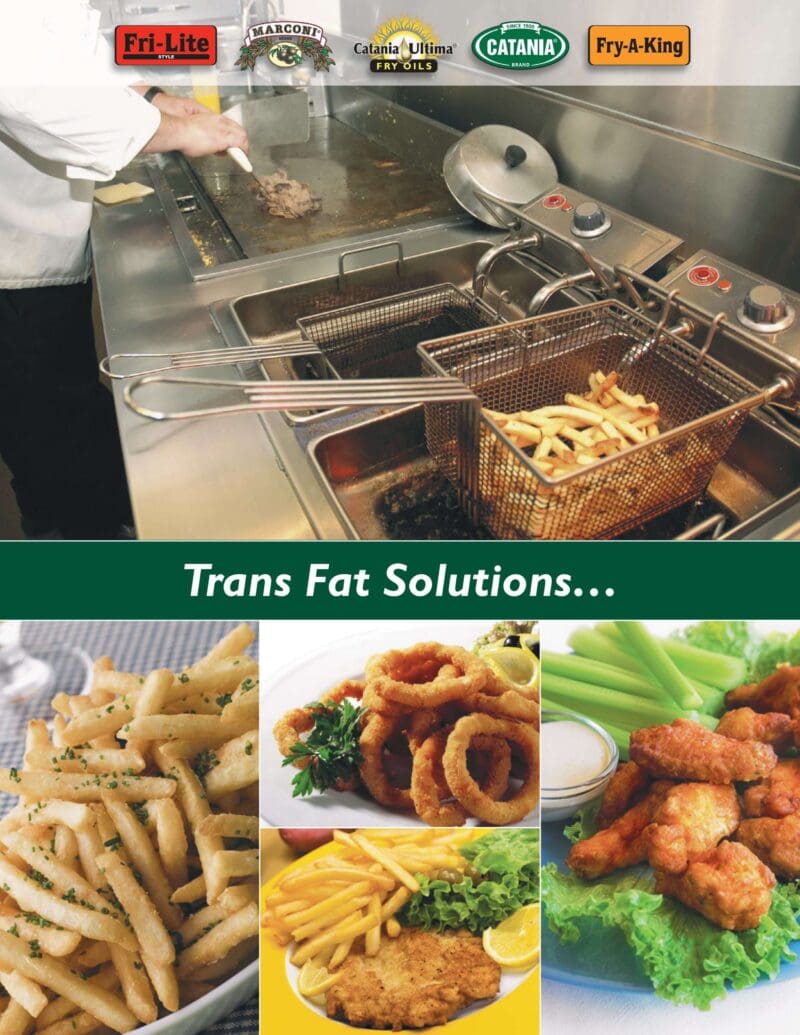
The primary function of a commercial fryolator is to cook food items by submerging them in hot oil, ensuring even cooking and achieving crispy textures for various dishes.
What types of food can be cooked in a fryolator?
The types of food that can be cooked in a fryolator include a variety of items such as French fries, chicken wings, onion rings, and doughnuts, making it ideal for preparing crispy, deep-fried dishes.
What safety features should a fryolator have?
The safety features a fryolator should have include an automatic shut-off system, a temperature control mechanism, and a secure lid to prevent splattering. Additionally, it should have a built-in oil filtration system to reduce fire hazards.
What is the cost of Cape Cod biofuels compared to fossil fuels?
The cost of Cape Cod Biofuels is generally competitive with fossil fuels, especially when considering long-term savings from waste oil collection and the environmental benefits associated with using renewable resources.
Are Cape Cod biofuels eco-friendly and sustainable?
Cape Cod Biofuels is committed to eco-friendliness and sustainability, providing services that promote the responsible use of cooking oils and reduce waste, ultimately contributing to a healthier environment.
How does a gas fryolator differ from electric?
The difference between a gas fryolator and an electric fryolator lies primarily in their energy source and heating efficiency. Gas fryolators heat oil faster and can maintain higher temperatures, while electric fryolators offer more precise temperature control and are often easier to install.
Can Cape Cod biofuels be used in existing infrastructure?
Cape Cod Biofuels can be seamlessly integrated into existing infrastructure. Our biofuels are compatible with standard cooking oil systems, allowing restaurants to enhance sustainability without the need for significant modifications.
What are the benefits of using biofuels on Cape Cod?
The benefits of using biofuels on Cape Cod include reduced greenhouse gas emissions, enhanced energy sustainability, and support for local economies. By utilizing biofuels, Cape Cod can promote environmentally friendly practices while ensuring a reliable energy source for its communities.
How often should a fryolator be cleaned and maintained?
Fryolators should be cleaned and maintained regularly to ensure optimal performance and safety. It is recommended to clean them daily, while deeper maintenance should occur weekly or bi-weekly, depending on usage.
What is the production process of Cape Cod biofuels?
The production process of Cape Cod Biofuels involves collecting waste cooking oil from restaurants, refining it into biodiesel through a chemical process, and then distributing the sustainable fuel back to the community for various energy needs.
What are the benefits of using a fryolator in a restaurant?
The benefits of using a fryolator in a restaurant include improved cooking efficiency, consistent food quality, and enhanced flavor retention. Additionally, fryolators allow for better oil management, reducing waste and operational costs.
What is the cost of cooking oil delivery?
The cost of cooking oil delivery varies based on factors such as order size and frequency. For specific pricing details, please contact Cape Cod Biofuels to discuss your needs and receive a customized quote.
How does Cape Cod biofuels support the local economy?
Cape Cod Biofuels supports the local economy by providing sustainable waste oil collection and bulk cooking oil supply services to restaurants, creating local jobs and promoting environmentally friendly practices that benefit the community and enhance operational efficiency.
What types of cooking oil are available for delivery?
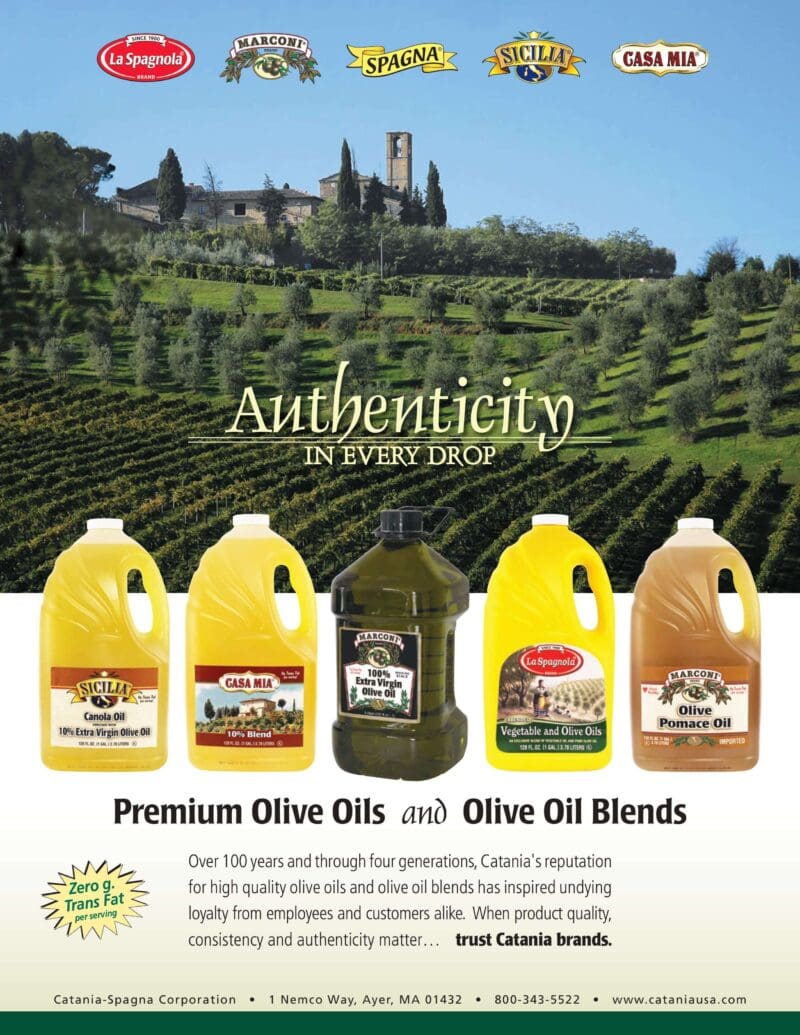
The types of cooking oil available for delivery include various options such as canola, soybean, palm, and olive oil, catering to the diverse needs of restaurants for their cooking and frying applications.
Are fryolators available in different sizes and capacities?
Fryolators are indeed available in various sizes and capacities to accommodate different restaurant needs, allowing for efficient frying operations tailored to your specific volume requirements.
How long does cooking oil delivery take?
The delivery time for cooking oil varies based on your location and order size, but typically, you can expect delivery within 1 to 3 business days after placing your order.
How much oil does a standard fryolator hold?
A standard fryolator typically holds between 30 to 50 pounds of oil, depending on its size and design. This capacity allows restaurants to efficiently fry a variety of foods while maintaining optimal cooking conditions.
Can I track my cooking oil delivery order?
You can track your cooking oil delivery order with Cape Cod Biofuels. We provide real-time updates on your delivery status, ensuring you stay informed throughout the process for seamless operations in your restaurant.
Are Cape Cod biofuels made from locally sourced materials?
Cape Cod Biofuels are made from locally sourced materials, ensuring that our biofuels support the regional economy while promoting sustainability and reducing environmental impact.
Are cooking oil delivery services available nationwide?
Cooking oil delivery services are not available nationwide. Cape Cod Biofuels primarily serves specific regions, focusing on local restaurants to ensure efficient and timely service. Please contact us to check availability in your area.
How do I store delivered cooking oil properly?
Proper storage of delivered cooking oil involves keeping it in a cool, dark place, away from direct sunlight and heat sources. Ensure the containers are tightly sealed to prevent contamination and maintain oil quality.
Can I schedule a recurring cooking oil delivery?
You can schedule a recurring cooking oil delivery with Cape Cod Biofuels. Our flexible service ensures that your restaurant receives fresh oil consistently, helping you maintain operational efficiency. Contact us to set up your delivery schedule today!
Can Cape Cod biofuels power homes and businesses?
Cape Cod Biofuels specializes in providing bulk cooking oil supply and waste oil collection services for restaurants, rather than directly powering homes and businesses. Our focus is on enhancing operational efficiency and sustainability for the food service industry.
What maintenance is required for a fryolator?
The maintenance required for a fryolator includes regularly changing the oil, cleaning the fryer and its components, checking the temperature settings, and ensuring the filtration system is functioning properly to maintain efficiency and food quality.
How does fryolator size affect cooking efficiency?
The size of a fryolator significantly impacts cooking efficiency by determining the volume of oil available, which influences heat retention and recovery times. A larger fryolator can accommodate more food, allowing for faster cooking and reducing energy consumption.
What are common issues with fryolators?
Common issues with fryolators include overheating, oil contamination, improper filtration, and build-up of carbon or food particles, which can affect cooking efficiency and food quality. Regular maintenance is essential to prevent these problems.
How can I optimize fryolator oil usage?
Optimizing fryolator oil usage involves maintaining the oil temperature, filtering regularly, and monitoring oil quality to extend its lifespan. Additionally, using a waste oil collection service can help manage used oil effectively, ensuring sustainability.
What are the environmental benefits of biofuels?
The environmental benefits of biofuels include reduced greenhouse gas emissions, lower air pollutants, and decreased reliance on fossil fuels. By utilizing renewable resources, biofuels contribute to a more sustainable and eco-friendly energy landscape.
How are biofuels produced on Cape Cod?
Biofuels on Cape Cod are produced through the collection and processing of waste cooking oils from local restaurants, which are then converted into renewable energy sources, promoting sustainability and reducing environmental impact.
What regulations affect biofuel usage in restaurants?
Regulations affecting biofuel usage in restaurants include local, state, and federal guidelines that govern the sourcing, processing, and disposal of biofuels. Compliance with these regulations ensures safe and sustainable practices in the use of biofuels.