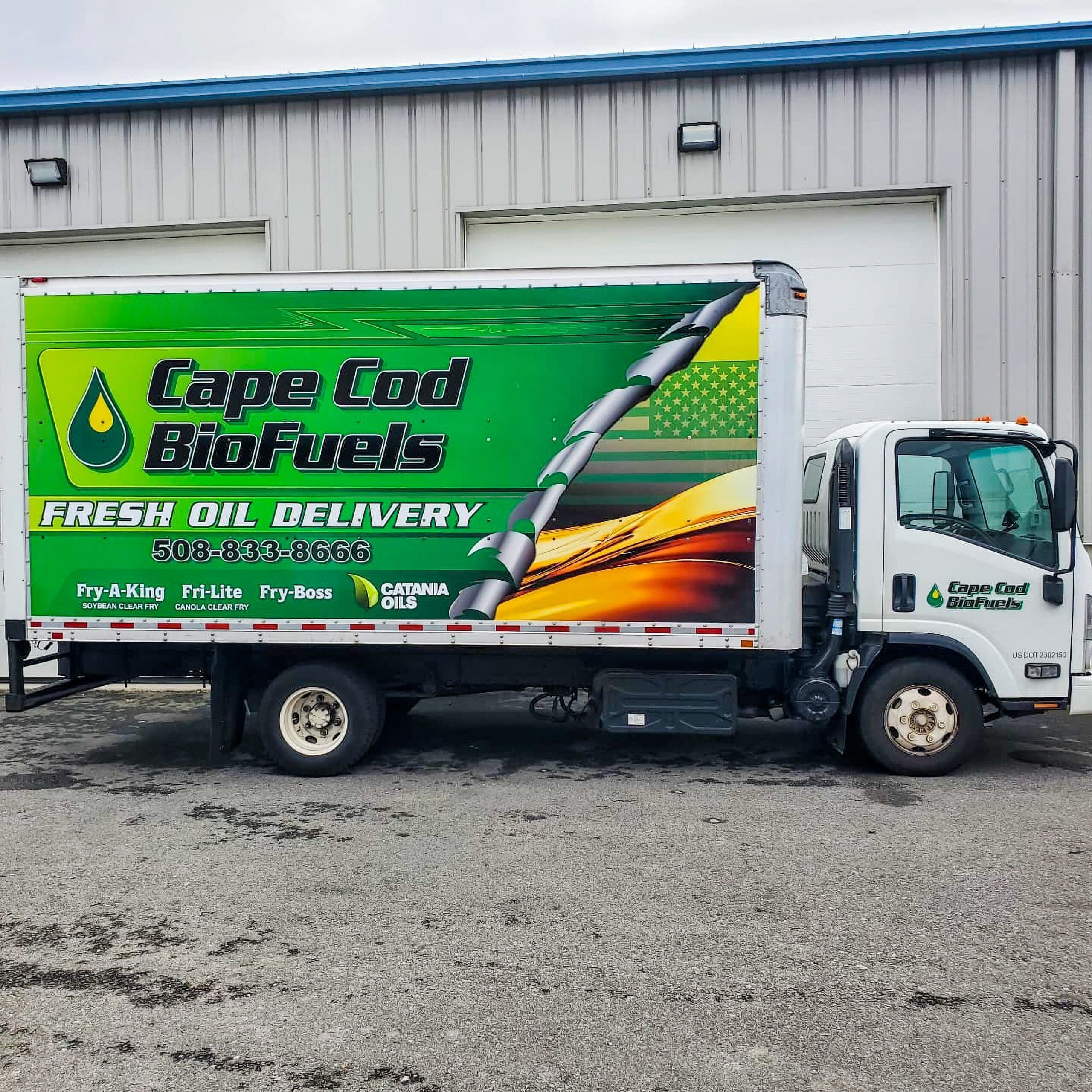
Cape Cod Biofuels Partnerships: Sustainable Collaboration for Renewable Heating and Waste Oil Solutions
Cape Cod Biofuels Partnerships describe a local circular-economy model that converts used cooking oil into ASTM-certified renewable fuels, routing feedstock from community kitchens back into residential, commercial, and marine energy use. This article explains how restaurant waste-oil collection and fresh oil supply pair with biodiesel and Bioheat® blends to reduce emissions, support fleet sustainability, and keep energy value in-community. Readers will learn practical onboarding steps for restaurants, homeowners, and fleet managers, plus how HVAC and plumbing services improve fuel performance and equipment longevity. The guide also outlines measurable benefits of blends such as B20, B40 and near-pure biodiesel options, the logistics of collection and delivery, and community programs that strengthen local resilience. Throughout, semantic relationships—how used cooking oil becomes biodiesel, how ASTM certification guarantees quality, and how service integration preserves equipment—are emphasized to help partners evaluate technical, economic, and operational tradeoffs.
How Do Cape Cod Biofuels Restaurant Partnerships Support Local Sustainability?
Restaurant partnerships with Cape Cod Biofuels link fresh cooking oil supply with secure used oil collection to create a closed-loop “fryer to fuel tank” flow that reduces waste and generates ASTM-certified biodiesel for local use. The mechanism is straightforward: restaurants receive fresh oil deliveries and return spent oil into sealed containers, which the company collects on a scheduled route; that used oil then becomes feedstock processed into quality-assured biodiesel and Bioheat®. The specific benefits include reduced landfill disposal, lower waste-hauler costs for kitchens, and local economic reinvestment when fuel and services circulate inside the Cape Cod and South Shore economy. Understanding the operational elements—containers, schedules, paperwork, and quality controls—helps restaurants evaluate both environmental impact and daily convenience before partnering.
What Is the Process of Waste Cooking Oil Collection from Restaurants?
The collection process begins with secure on-site storage: restaurants receive approved containers sized to their volume needs, and staff follow simple handling and traceability procedures that meet local regulatory requirements. Cape Cod Biofuels schedules regular pickups tailored to each partner’s output, minimizing kitchen downtime and avoiding overflow while maintaining documentation for chain-of-custody and environmental compliance. Collection crews follow routings that reduce haul miles and fuel use, which enhances the local circular economy by keeping transport and processing within the region. Below is a practical comparison of common container options and service levels to help restaurants choose the right setup before onboarding.
Research into optimized logistics for waste vegetable oil collection highlights significant improvements in efficiency and environmental impact.
Optimized Waste Vegetable Oil Collection Logistics for Resource Recovery
The recovery of waste vegetable oil is a complex problem due to the variety of sources that generate it. The current collection systems do not manage to collect all the waste vegetable oil. The collection system must solve two main problems: identify the location of both the collection points and the collection centers and design routes that guarantee the optimization of resources. Therefore, the objective of this article was to develop a waste vegetable oil logistics collection system. The system integrates all sources of waste vegetable oil generation classified into three sectors: industrial, services, and residential, and it optimizes the collection routes. The developed system increases the collected waste vegetable oil by 1078%, reduces the fuel consumption per route by 37%, and improves the transportation capacity utilization by 93%. In addition, it decreases transportation costs by 73%. Water pollution is reduced by 78% and CO2e emissions per route by 14%. The waste vegetable oil collection logistics system can be implemented in any city since it adapts to its needs and characteristics.
Waste vegetable oil collection: a comprehensive logistics system for sustainable and efficient resource recovery, L Quintana, 2024
This comparison clarifies how container choice affects pickup frequency, staff handling, and operational footprint, enabling restaurants to select the most cost- and labor-efficient solution for their needs.
How Does Fresh Cooking Oil Supply Benefit Partner Restaurants?
Providing fresh cooking oil as part of the partnership streamlines inventory and ensures consistent product quality so kitchens maintain fry performance and reduce downtime associated with supply gaps. Reliable delivery scheduling and inventory management reduce procurement complexity for busy operators, converting purchasing friction into predictable supply cadence that frees up staff time for core operations. Quality assurance measures—such as product specifications and controlled sourcing—help restaurants maintain food quality, while integrated billing and logistics can lower administrative overhead compared with multiple independent vendors. These operational advantages translate into measurable time savings and reduced risk of service interruptions, which supports both profitability and sustainability.
For restaurants interested in partnership, Cape Cod Biofuels invites operators to learn about container options, pickup schedules, and fresh oil supply terms. A straightforward onboarding assessment evaluates kitchen volume, container placement, and preferred pickup cadence, and teams coordinate a pilot collection to demonstrate logistics and traceability. Partner restaurants benefit from a single vendor model that consolidates fresh oil delivery and waste-oil removal, reducing vendor management and potential disposal fees. Contact information and an initial assessment request are available through Cape Cod Biofuels to begin the partnership process.
What Are the Benefits of Renewable Heating Oil Partnerships for Cape Cod Residents?
Renewable heating-oil partnerships enable homeowners to receive Bioheat® fuel blends that mix biodiesel with heating oil to reduce lifecycle greenhouse gases while remaining compatible with existing burners and tanks. The mechanism relies on certified blend production—ASTM certification ensures consistent quality and cold-weather performance—so residents can transition without extensive equipment changes. Key homeowner advantages include lower particulate emissions, maintained combustion performance, and eligibility for stability relative to market fuel swings because local production can substitute a portion of petroleum-derived heating oil. The section below compares common Bioheat® blend options by emission impacts, compatibility, and recommended residential use-cases to help homeowners select the right balance.
*Values indicative of relative lifecycle reductions; specific percentages depend on feedstock and processing.
Bioheat® blends combine environmental benefits with practical compatibility, so homeowners experience emissions reductions without sacrificing reliability. The blend comparison helps homeowners weigh the tradeoffs between emission goals and fuel logistics while considering seasonal temperature resilience.
How Does Bioheat® Fuel Reduce Carbon Emissions in Residential Heating?
Bioheat® reduces carbon emissions by blending renewable biodiesel—derived from used cooking oil and other feedstocks—into conventional heating oil, which lowers the net lifecycle greenhouse gas intensity per gallon delivered. The mechanism relies on feedstock carbon being biogenic rather than fossil, so when used oil is processed into ASTM-certified biodiesel and blended, the overall CO2 equivalent per unit of delivered energy declines. For homeowners this means measurable emissions reductions that scale with blend concentration, while combustion characteristics remain similar enough for most burners to operate without modification. Understanding blend-level impacts enables households to choose a pathway that balances environmental goals with equipment compatibility.
What Are the Advantages of Automatic Fuel Delivery for Homeowners?
Automatic delivery enrollment prevents runouts by using usage-history algorithms and degree-day forecasting to schedule fills before tanks reach critical levels, which reduces emergency service calls and the associated costs of urgent deliveries. This predictable delivery model improves budget planning and reduces inefficient, last-minute logistic surcharges, while also ensuring households consistently receive the chosen Bioheat® blend without manual ordering. Automatic delivery can be bundled with routine HVAC maintenance and combustion checks to optimize efficiency and prevent equipment stress caused by fuel variability. Homeowners who enroll benefit from both convenience and operational peace of mind, and customers often report fewer cold-weather service incidents as a result.
For homeowners ready to sign up for renewable heating oil delivery, Cape Cod Biofuels offers automatic enrollment options with scheduled delivery plans and integrated service reminders. The company can coordinate fuel delivery with HVAC tune-ups and plumbing checks to ensure systems are prepared for Bioheat® blends, creating a single point of service for both fuel and equipment maintenance. Enrollment begins with a service profile and tank assessment to set delivery thresholds and frequency, and tighter integration with maintenance plans helps sustain system efficiency over time. Customers can contact Cape Cod Biofuels to request enrollment assistance and scheduling for an initial assessment.
How Do Commercial and Marine Biodiesel Partnerships Power Massachusetts Fleets?
Commercial and marine partnerships supply biodiesel blends tailored to fleet operational needs, combining ASTM-certified biodiesel with logistical support to enable reliable bulk deliveries and contractual arrangements that support sustainability goals. The mechanism pairs blend selection—such as B20 for many on-road fleets or higher blends for nonroad and marine applications—with performance controls and testing to ensure engine compatibility and warranty adherence where applicable. These partnerships reduce fleet lifecycle emissions, provide corporate sustainability reporting data, and can lower total cost of ownership through local sourcing efficiencies and possible fuel price hedging benefits. Below, a technical comparison table lays out common blends and their recommended fleet applications to guide procurement decisions.
This table clarifies how blend choice maps to application and operational tradeoffs, helping fleet managers pilot biodiesel with predictable performance outcomes.
What Biodiesel Blends Are Available for Commercial and Marine Use?
Available blends include lower-percentage blends like B20 that are widely applicable for on-road fleets, intermediate blends such as B40 often used in nonroad or marine contexts, and very high-content blends (approaching B99) for specialized renewable operations. Each blend carries operational considerations: lower blends maximize compatibility and minimize paperwork, while higher blends increase renewable content and may require enhanced cold-flow management, fuel-handling protocols, or seasonal blending strategies. ASTM certification of produced biodiesel provides quality assurance so fleets can manage warranty and reliability concerns through documented testing and traceability. Fleet managers should evaluate mission profiles, climate constraints, and maintenance capacity when selecting a pilot blend.
How Do These Partnerships Enhance Fleet Sustainability and Cost Efficiency?
Partnerships enhance sustainability by reducing lifecycle greenhouse gases through renewable feedstock use and by providing traceable documentation useful for corporate sustainability reporting and regulatory compliance. Cost efficiency emerges from local production lowering transport markup and from contract pricing that stabilizes procurement compared with volatile commodity markets; operationally, predictable bulk delivery reduces downtime and administrative overhead. Fleets often pilot blends in a subset of vehicles to measure fuel economy, filter intervals, and maintenance impacts before scaling, enabling a data-driven rollout that quantifies total cost of ownership changes. Together, these measures allow operators to meet sustainability goals while managing operational risk.
For commercial and marine fleet managers interested in contracts or waste-oil partnership opportunities, Cape Cod Biofuels offers tailored fuel supply agreements and coordination for used-oil recycling programs. Contract options include bulk delivery scheduling, blend selection consultation, and documentation support for sustainability reporting, and partnership discussions begin with a needs assessment and pilot proposal. Fleet managers can arrange an initial consultation to explore contract terms and logistics and to design a pilot that demonstrates performance and reporting outcomes.
How Do HVAC and Plumbing Service Partnerships Integrate with Cape Cod Biofuels’ Fuel Solutions?
HVAC and plumbing service partnerships complement renewable fuel delivery by ensuring combustion systems and hot-water infrastructure operate at designed efficiency when using Bioheat® blends, reducing maintenance incidents and extending equipment life. The mechanism is integrative: regular boiler tune-ups, combustion analysis, and heat-exchanger cleaning optimize burn quality and minimize soot or deposits that can arise with fuel changes; plumbing services such as leak detection and system flushing prevent heat loss and water-side inefficiencies that increase fuel consumption. Aligning service schedules with fuel deliveries creates operational synergies—combustion tuning timed after a blend change confirms performance and gives homeowners and commercial operators confidence in both fuel and equipment. The section below outlines specific HVAC and plumbing services that support Bioheat® performance and recommended service frequencies.
What HVAC Services Support Bioheat® Fuel Efficiency and Equipment Longevity?
Key HVAC services include seasonal boiler tune-ups, combustion efficiency testing, burner and heat-exchanger inspection, and scheduled filter and nozzle maintenance to maintain optimal combustion when using biofuel blends. These services reduce soot accretion, maintain heat-transfer efficiency, and identify early wear that can influence fuel consumption and emissions profiles, thereby protecting the homeowner’s or operator’s investment in both equipment and renewable fuel. Recommended service frequency typically aligns with seasonal needs and fuel-blend changes, with at least annual combustion analysis and mid-season checks for higher blend proportions. Integrating these services into an automatic delivery or fleet maintenance schedule helps preserve performance and prevent unplanned downtime.
How Do Plumbing Services Complement Sustainable Heating Solutions?
Plumbing services—such as leak repair, system flushing, pipe insulation, and water-heater maintenance—reduce heat losses and water-side inefficiencies that otherwise increase fuel demand and operating costs. Addressing leaks and circulation issues lowers boiler firing hours and stabilizes system pressures, which together support more consistent combustion and fewer cold-start cycles that can elevate emissions. For commercial kitchens and restaurants, plumbing integrations also include grease-management measures that reduce contamination risk for waste-oil collection and maintain hygienic operations. Coordinated plumbing and HVAC service plans allow partners to realize combined savings that support both environmental goals and operational budgets.
Cape Cod Biofuels integrates HVAC and plumbing scheduling into its service offerings so partners can book maintenance aligned with fuel deliveries and blend changes. Service coordination simplifies logistics for homeowners and businesses, creating a single point of contact for fuel and system health, and enabling preventative maintenance that sustains efficiency gains from Bioheat® blends. To schedule HVAC or plumbing support, partners can request service coordination through the company’s customer channels and arrange combined visits timed around delivery windows.
What Community and Environmental Partnerships Does Cape Cod Biofuels Foster?
Community and environmental partnerships extend beyond fuel and services to include local recycling initiatives, event collaborations, and support for neighborhood programs that amplify the circular-economy impact of converting used cooking oil into local renewable fuel. The approach connects restaurants, residential customers, fleets, and community organizations so collected oil is processed into biodiesel that fuels local homes and operations, thereby creating measurable local benefits in both environmental performance and economic circulation. Partnering on community drives and public engagement events enhances visibility for participating organizations and demonstrates how collective action reduces waste and supports local energy resilience. The following list highlights common program types and partnership mechanics that community groups can adopt or replicate.
- Local collection drives that aggregate small producers and households for centralized processing.
- Joint educational events that explain the fryer-to-fuel process to residents and schools.
- Collaborative sustainability campaigns that involve multiple local businesses and civic groups.
These program types scale participation and create replicable templates for other communities to follow, increasing both visibility and impact as more organizations adopt circular-economy practices.
How Do Local Initiatives Like Clothing Drives Strengthen Community Ties?
Local initiatives such as clothing drives serve dual purposes: they bring community members together around shared values while leveraging event infrastructure that also supports awareness of waste-to-energy programs. Organizing joint events with charitable partners and local businesses increases foot traffic and provides educational moments about biodiesel production and used-oil recycling, creating natural cross-promotion without compromising program integrity. These activities also strengthen local networks that Cape Cod Biofuels can tap to expand restaurant and residential collection participation, amplifying the volume of feedstock kept in-community. By connecting environmental action to tangible community benefits, these initiatives deepen stakeholder engagement and reinforce local stewardship.
What Is the Economic and Environmental Impact of Cape Cod Biofuels’ Circular Economy Model?
The circular economy model retains value locally by converting restaurant waste into a renewable product used by nearby homes and fleets, which supports local jobs, reduces outbound shipping of feedstock, and keeps energy expenditures within the regional economy. Environmentally, processing used cooking oil into ASTM-certified biodiesel lowers lifecycle greenhouse gas intensity compared with fossil heating oil, and reduces the volume of waste requiring disposal or rendering transport. These combined effects generate measurable community benefits: fewer waste hauling miles, increased local fuel availability, and reinforced supply-chain resilience in coastal New England markets. Presenting these impacts with local case data and clear metrics helps partners see the economic multiplier and environmental gain when they join the network.
How Can Businesses and Residents Join Cape Cod Biofuels’ Partnership Network?
Joining Cape Cod Biofuels’ partnership network follows a structured onboarding path that clarifies requirements, timelines, and expected benefits for restaurants, fleets, and homeowners seeking renewable fuel or collection services. The process emphasizes a short assessment, selection of services (fresh oil supply, waste-oil collection, Bioheat® delivery, or HVAC/plumbing integration), scheduling of pilot collections or deliveries, and activation of regular service. Clear documentation and coordination ensure compliance and traceability for waste streams and fuel quality, while bundled service options simplify operations for busy partners. The next sections list stepwise onboarding checklists for commercial partners and homeowners to make initial engagement straightforward.
What Are the Steps to Become a Restaurant or Fleet Partner?
To become a restaurant or fleet partner, follow these practical onboarding steps that streamline assessment, logistics, and operational startup into a predictable timeline. First, contact Cape Cod Biofuels to request an initial needs assessment that evaluates volume, container needs, and service cadence; second, select the service package including fresh oil supply and collection frequency or fleet blend and delivery schedule; third, finalize agreement terms and arrange container placement and routing logistics; fourth, initiate a pilot collection or delivery to validate route timing and quality controls. These steps typically include joint coordination on safety and documentation so both parties onboard smoothly and begin realizing environmental and operational benefits quickly.
- Request assessment and volume review.
- Choose service package and container options.
- Finalize contract and schedule pilot service.
- Transition to regular collections/deliveries with tracking.
This checklist outlines a practical path from inquiry to active partnership, enabling businesses to pilot services with minimal disruption and clear performance expectations.
How Do Homeowners Sign Up for Renewable Heating Oil Delivery and Services?
Homeowners can enroll in renewable heating oil delivery and integrated service plans through a concise sign-up process designed for convenience and reliability with clear enrollment steps and service bundling. Begin by providing tank size and usage information so Cape Cod Biofuels can recommend an appropriate Bioheat® blend and delivery threshold; next, select automatic delivery or scheduled fills and decide whether to bundle HVAC or plumbing maintenance; then, set up billing preferences and confirm seasonal delivery planning to align with local weather patterns; finally, schedule an initial system check if opting for maintenance integration to ensure equipment readiness. This streamlined approach enables households to adopt renewable heating fuels without complex retrofits while benefiting from maintenance that sustains efficiency.
- Submit tank and usage details for blend and delivery recommendation.
- Select automatic delivery and any service bundles.
- Confirm billing and seasonal scheduling.
- Arrange initial maintenance check if desired.
These steps help homeowners transition to Bioheat® blends with predictable service and the option to combine fuel delivery with HVAC and plumbing care for long-term efficiency.